AI for Food Process Engineering
First 2027 scholarship call
AI for Food Process Engineering
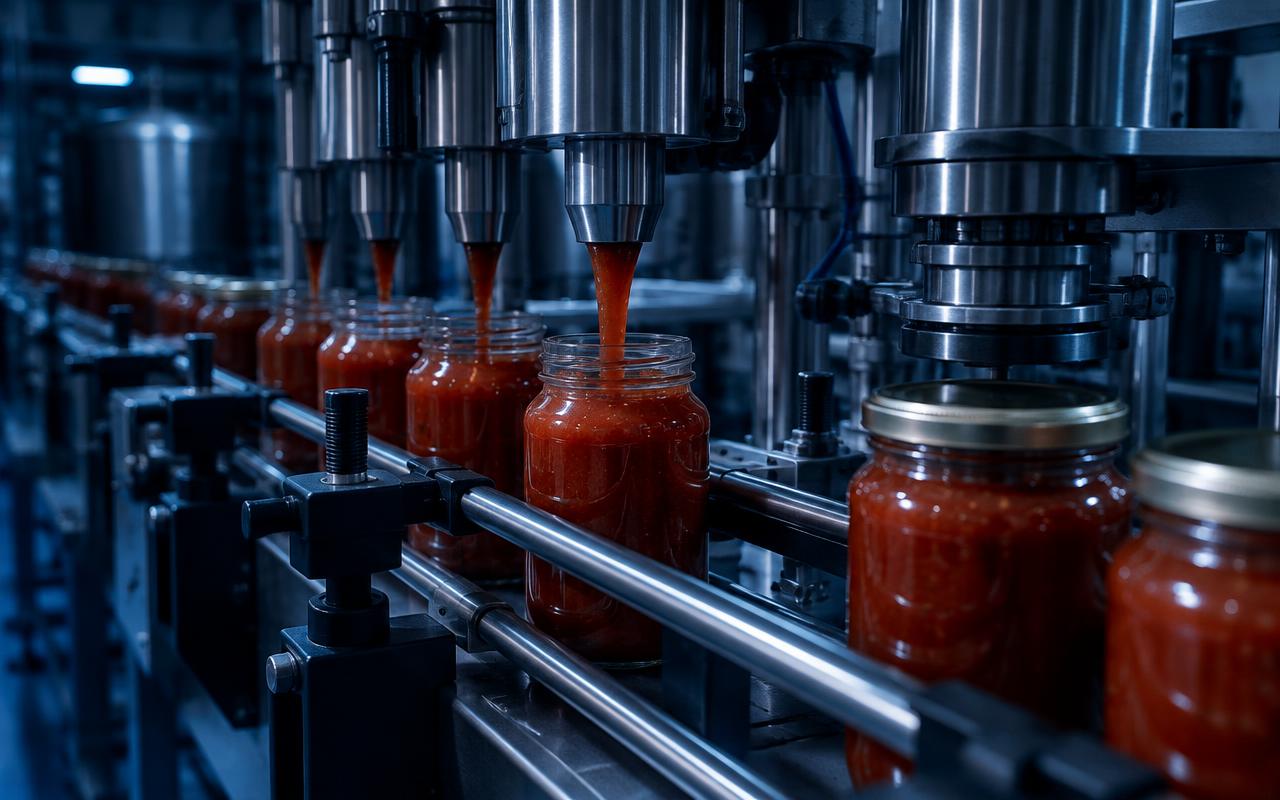
A packing line, explained to someone who has never set foot in a plant. The model flags. The lab releases.
Developed under the new AI Act model · Continuous updates

Edition 2026
200 hours of applied learning
8 academic credits
25 lessons + 6 workshops
Digital campus
Verifiable certificate
550 USD one payment · or 2 × 275 USD (today and after 30 days)
What you'll learn
- Walk the line in order and without acronyms: intake, processing, packing and warehouse.
- Explain lot, label and allergens under Regulation (EU) 1169/2011, and who runs the line and who releases.
- Read the shift reject rate and know why the lab, not the camera, closes the point.
- Interpret a vision model flags with their precision, threshold and drift.
- Keep the model ingredient change as a draft alert, never as a formula change.
- Write a sheet that reads without the chat, with the release signature left empty.
- Apply the IntellCore AI Act Method™: classify the risk of an AI use case in your field and document it under the AI Act 2026.
Program curriculum
01 — The place
- What AI is and how it reached the food plant
- Intake, processing, packing and warehouse
- Lot, label and allergen
- Who runs the line and who releases
- Your role
02 — The number that already exists
- The shift reject rate
- The eye and the laboratory
- A shift without the model
- The limit already written
03 — Where the model may propose
- Vision flags lids
- A new formula is a separate file
- What is missing
- An alert is opened, the recipe is not changed
04 — The tool
- What vision counts
- Drafts within the approved list
- What it does not do
- To the lab, not to the chat
05 — The failure
- A thickener that is not on the list
- No trial and no allergen
- The text on the production floor
- What gets blocked
06 — The file
- From jar to shift
- Change requested and test still missing
- Who releases and who only flags
- A sheet the plant can file
07 — IntellCore AI Act Method™ applied to your field
- The EU AI Act 2026: risk levels, prohibited practices and obligations
- Transparency, human oversight and documentation in your professional field
- Classifying and auditing a real AI use case step by step
- Your compliance file: certified with the IntellCore AI Act Method™
Practical application
- · Final project: the shift sheet for the case lot, with the data, the thickener proposal as a draft alert, what was not checked and an empty release signature, fileable without the chat and defended before quality, R&D and audit.
Practical project: Final project: the shift sheet for the case lot, with the data, the thickener proposal as a draft alert, what was not checked and an empty release signature, fileable without the chat and defended before quality, R&D and audit.
Who is this for?
- · People about to sit in front of a packing-line shift
- · Food, quality and production teams without plant vocabulary
- · Analysts who review model proposals
Requirements
- · No prior plant experience
- · No programming required

Meet your instructor
AI for Food Process Engineering
Chair, AI for Food Process Engineering
Packing lines, shift rejects, vision alerts and the shift sheet — the model flags, the lab releases.
Teaches: AI for Food Process Engineering
Edition 2026
What each week includes
Every week of the program follows the same structure.
- 01
Explainer video per lesson
- 02
Guided reading (6 h)
- 03
IntellCore Labs · ~90 min workshop with data
- 04
Verified real case
- 05
IntellCore Podcast
- 06
IntellCore Radar
- 07
Self-assessment
- 08
Practice and exam (70%, 3 attempts)
- 09
Extended practice (5 h)
- 10
IntellCore AI Act Method™ module applied to your field (30 h)
- 11
Applied final project (30 h)
- 12
6 modules × 23 h + IntellCore AI Act Method™ module 30 h + final assessment 2 h + final project 30 h = 200 h
- 13
Downloadable PDF summary
Verifiable certificate
200 hours · 8 academic credits
Unique verifiable code at intellcore.ai/verify
Student reviews
Reviews are published from verified students only, after the first cohort completes the program. We do not publish testimonials we cannot attribute.